

Social media has changed the way we communicate, access news and understand the world around us. But how can we distinguish reliable information from misleading content in an environment where news spreads within seconds?
This question was at the heart of the radio program “Social Media and Disinformation,” which brought together Albina Haliti, investigative journalist and editor, Erza Nila, journalist and television producer and Luan Dervishaj, online media journalist, to discuss the growing challenges of disinformation in the digital age.
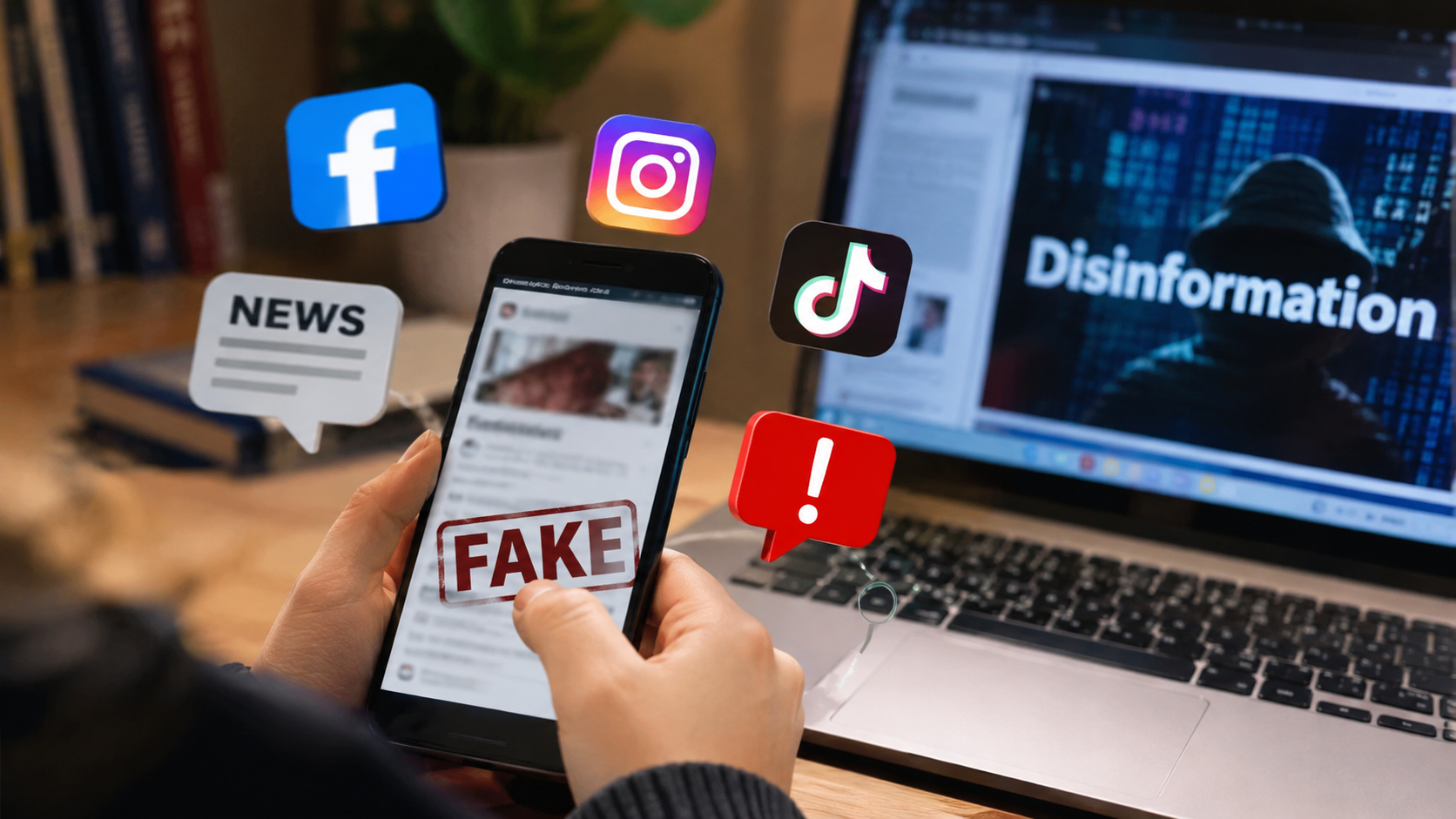
The discussion explored how platforms such as Facebook, Instagram and TikTok influence the way information is shared and consumed, while also creating opportunities for false and misleading content to spread rapidly.
The guests examined the role of social media algorithms, sensational headlines and emotionally driven content in shaping public opinion. Particular attention was given to young people, who are among the most active social media users but may also face difficulties in recognizing manipulated information.
Another important topic was the increasing use of artificial intelligence to generate fake images, videos and audio recordings, raising new concerns about the authenticity of online content and the importance of fact-checking.
The guests emphasized the importance of responsible journalism, critical thinking and verifying information before sharing it, highlighting media literacy as an essential skill in today’s digital world.
The program aimed to strengthen media literacy, encourage responsible use of digital platforms and promote a more informed and trustworthy information environment, particularly among young audiences.